CR5 removals: Chipstead Valley Road access tips
Posted on 24/04/2026
If you are planning a move in CR5 and need to use Chipstead Valley Road, the small details matter more than most people expect. A van that is too large, a poorly timed arrival, or a missed access restriction can turn a straightforward removal into a slow, awkward day. This guide to CR5 removals: Chipstead Valley Road access tips is written to help you plan the approach properly, reduce delays, and make sure loading and unloading happen as smoothly as possible.
Whether you are moving a flat, a family home, or a few bulky items, the aim is the same: keep the route workable, protect your belongings, and avoid unnecessary stress. You will also find practical decision points for booking, parking, timing, and property access, plus a realistic checklist you can use before moving day.
For readers who want a broader move-planning perspective, it can also help to review a solid service overview such as professional removal services explained or a local guide to removals in nearby Coulsdon to compare how access challenges are handled in similar residential streets.
Why CR5 removals: Chipstead Valley Road access tips Matters
Access is often the hidden variable in a move. On paper, a house or flat may look easy to reach. In practice, the real challenge is whether the removal vehicle can stop safely, whether there is enough space to open doors and carry items, and whether your team can keep the route clear enough to work efficiently.
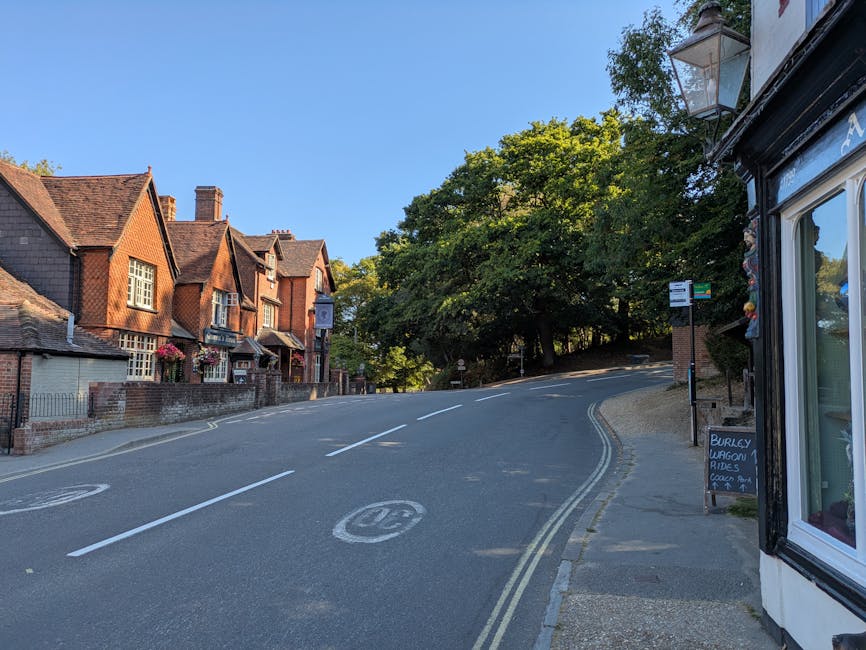
Chipstead Valley Road can present the same kinds of constraints that appear on many suburban roads: parked cars, narrow passing gaps, pedestrian flow, and driveways that need careful turning. If you are moving in CR5, these details can affect timing, labour, and even the size of vehicle you choose. That is why access planning is not a side issue. It is central to the move.
The best approach is to treat access like part of the inventory. Alongside boxes, furniture, and fragile items, you also need to "pack" information: road width, parking options, stair access, lift use, gate codes, and the likely distance between the van and the front door. Miss one of those pieces and the day gets harder very quickly.
Practical truth: the best removal days usually look uneventful. That is not luck; it is access planning done properly.
This matters even more for time-sensitive services such as same-day removals or short-notice moves, where there is less room to improvise if the street layout is awkward.
How CR5 removals: Chipstead Valley Road access tips Works
Good access planning starts before the van arrives. The process usually works best in three stages: assess the road, plan the stop, and prepare the property.
1. Assess the route and stopping point
First, identify the most realistic place for a van to stop. That may be outside the property, opposite it, or at a nearby point with better visibility and less obstruction. The goal is not always to park directly in front of the house. Sometimes a slightly longer carry is easier than trying to squeeze into a tight, disruptive space.
When assessing the route, think about:
- temporary parking space availability
- visibility for other road users
- whether the vehicle can turn without repeated manoeuvres
- proximity to steps, kerbs, or sloped pavements
- how far the carry distance is from door to van
2. Match the van to the job
Vehicle choice matters. A larger van may reduce the number of trips, but it can be harder to position on a busy road or near tight turns. A smaller van might be easier to place, yet it may require more loading cycles. The best choice depends on the property, the furniture mix, and the road layout.
For reference, many customers compare this with broader service pages such as man and van support or man with a van options to decide whether they need a compact vehicle solution or a fuller removal team.
3. Prepare the access inside the property
Access is not only a street issue. Hallways, staircases, internal doors, and shared entrances can be the bottleneck. If the front path is clear but the landing is full of clutter, the move still slows down. You want one continuous, obstacle-free line from room to vehicle.
That is especially important for awkward items such as sofas, wardrobes, dining tables, and mattresses. In many cases, a few minutes of preparation can save a lot of lifting and turning later.
4. Keep communication simple and direct
On moving day, the crew needs clear information: where to park, which entrance to use, what can be removed first, and whether anyone needs to stay behind to answer door codes or manage neighbours. The simpler the instructions, the fewer surprises.
Key Benefits and Practical Advantages
There is a real difference between a move that is merely possible and a move that is properly planned. Strong access tips deliver practical benefits you can feel on the day.
- Faster loading and unloading: less waiting, fewer repositioning delays, and more continuous work.
- Lower risk of damage: reduced carrying distance means fewer chances for scuffs, drops, and corner impacts.
- Less physical strain: a sensible parking point and clear route reduce the number of awkward lifts.
- Better scheduling: if the access plan is realistic, timings become easier to trust.
- Cleaner neighbour relations: minimal blocking and sensible timing help avoid friction on narrow residential roads.
There is also a commercial advantage. When access has been planned properly, it is easier for a removal team to quote accurately and for you to compare prices fairly. Poor access can create hidden costs in time, labour, or extra trips. In some cases, it is smarter to choose a clear quote process upfront than to guess and hope the route will work out.
For customers moving special items or planning around life events, access planning is even more valuable. If you are arranging wedding flowers or sending funeral flowers, timing and condition matter; the same principle applies to removals, where the smallest delay can ripple through the day.
Who This Is For and When It Makes Sense
This guidance is useful for almost anyone moving in the CR5 area, but it is particularly relevant if your property or destination sits on a road where vehicle access needs thought rather than guesswork.
It is especially useful for:
- households moving from terraced or semi-detached homes
- flat moves with shared entrances or limited kerb space
- families with large furniture or heavy appliances
- older customers who want a low-stress, well-managed move
- landlords and tenants coordinating handover timing
- small businesses shifting stock or office items from residential streets
It also makes sense when you are moving on a deadline. If the property has a tight exit window, or if you need to combine packing, travel, and handover all in one day, access planning gives you a bit of breathing room. And let's face it, breathing room is worth quite a lot on moving day.
If the move is time-critical or tied to a broader service need, you may also want to review packing and boxes support or packing help for moves so the loading sequence itself is easier to manage.
Step-by-Step Guidance
Use the following sequence to plan a move with better Chipstead Valley Road access.
- Walk the route in advance. Stand outside the property and judge the real carry path, not just the map view. Look for bins, bollards, parked cars, overgrown hedges, narrow gates, and changes in pavement level.
- Measure the obvious pinch points. Door widths, stair turns, and tight hall corners are often where large items catch. A quick tape measure check can prevent a great deal of guesswork later.
- Decide where the van should stop. Pick the safest and shortest workable stopping point, not necessarily the nearest legal-looking space.
- Clear the inside route. Move shoes, prams, loose rugs, plant pots, and anything else that could snag a carry.
- Pack by sequence. Keep first-load items, fragile items, and last-out essentials separate so the crew is not hunting through mixed boxes.
- Share access notes early. Tell the mover about gate codes, neighbours, shared drives, loading preferences, and any restrictions on arrival times.
- Have a fallback plan. If the preferred parking point is blocked, know the second-best option before the van arrives.
- Protect surfaces. Floor runners, blankets, and door protection are useful in narrow entryways where repeated movement is likely.
A good rule is to plan for the route you actually have, not the route you wish you had. It sounds obvious, but that is usually where move-day problems begin.
A simple way to think about the job
Imagine loading a wardrobe from a first-floor flat onto a road with active parking pressure. If the van is too far away, the carry becomes long and tiring. If it is too close but badly positioned, you risk blocking traffic or forcing awkward turns. The sweet spot is a safe, practical stop that lets the team work steadily without rushing.
Expert Tips for Better Results
Experience tends to show that access problems are rarely dramatic on their own. They become problems when they combine with poor timing, bad packing, or vague instructions. The tips below help keep those risks under control.
Build your plan around the largest item
Do not plan access around boxes. Plan it around the sofa, wardrobe, fridge, or bed frame. If the biggest item can move cleanly, the rest of the load will usually follow.
Use off-peak timing where possible
Early starts are often easier on local roads, especially if parking pressure rises later in the day. Even a modest shift in timing can improve availability and reduce tension.
Label fragile and priority items clearly
When the access point is awkward, a tidy load order matters more. Clear labels help the crew put delicate items in the right place without unnecessary reshuffling.
Keep one person free to manage the front door
Someone should be available to answer questions, manage keys, and direct the team if plans need to change. It saves time and prevents repeated trips inside just to confirm one detail.
Allow for weather
Rain, frost, and strong wind all make carrying harder. A narrow approach becomes more awkward when surfaces are slippery, so plan for extra care and a little extra time.
For item-specific guidance, it can also be smart to review specialist content such as bed and mattress moving advice or mattress moving tips. Those pieces help with the part of the move that often needs the most handling space.
Common Mistakes to Avoid
Many access issues are avoidable. In fact, most of them come from assumptions made too late in the process.
- Assuming the van can park directly outside. That is convenient when it happens, but not something to bank on.
- Ignoring internal access. A clear street does not help if the hallway is cluttered or the stair turn is too tight.
- Choosing the wrong vehicle size. Bigger is not automatically better if the road is tight.
- Leaving parking plans until arrival. The day gets much harder when people are deciding where to stop after the van is already there.
- Underestimating carry distance. A few extra metres repeated dozens of times is a real fatigue factor.
- Failing to brief neighbours or building management. Shared-access properties especially benefit from a heads-up.
- Packing in the wrong order. If priority items are buried, you waste time unpacking stacks just to reach what is needed first.
One of the less obvious mistakes is treating the move like a transport problem only. It is also a handling problem, a timing problem, and occasionally a diplomacy problem with neighbours. Useful to remember, unfortunately.
Tools, Resources and Recommendations
You do not need a large kit to manage Chipstead Valley Road access well, but a few tools can make the job much easier.
Useful tools
- tape measure for doorways and turns
- mobile maps for route checking and alternate stopping points
- labels or colour-coded stickers for boxes
- door protectors and blankets
- dolly or sack truck where appropriate
- torch for dim stairwells or early starts
Useful resources and support pages
If you are still comparing service styles, the following can help you think through the wider move:
- local removals services
- house removals support
- house removals in another local area
- health and safety approach
- insurance and safety guidance
For item care after the move, a quick look at flower care advice can be useful if you are transporting gifts or event arrangements alongside your removal. It is a small detail, but small details travel with you on move day whether you like it or not.
Law, Compliance, Standards and Best Practice
For removals on a residential road, it is sensible to work within normal UK road, parking, and property-access expectations. That means being careful about obstruction, considerate with neighbours, and clear about any restrictions that apply to the street or building. Where parking, loading, or permits are involved, always check current local arrangements rather than assuming yesterday's practice still applies.
If your move involves a shared driveway, managed block, or any private access arrangement, follow the property rules and the instructions of the freeholder, managing agent, or resident contact where relevant. If you are unsure, ask before move day. A short conversation can prevent a long delay.
Best practice also includes:
- parking only where it is safe and allowed
- keeping access routes open for pedestrians and emergency use
- protecting communal areas from avoidable damage
- sharing truthful information about item size and access difficulties
- booking enough time for a realistic loading pattern
From a service perspective, trustworthy providers should be open about what they can and cannot do, how they handle access constraints, and what happens if the route changes on arrival. Pages like terms and conditions, payment and security, and complaints procedures are useful signals that a company takes the basics seriously.
Options, Methods, or Comparison Table
Different access strategies suit different homes. Here is a simple comparison to help you choose a sensible approach.
| Approach | Best for | Pros | Trade-offs |
|---|---|---|---|
| Park as close as possible | Easy roads, short carries | Fast unloading, fewer steps, less fatigue | Can be unrealistic on busy or narrow streets |
| Park at the safest workable point | Moderately tight access | More reliable, less disruptive, easier to plan | Longer carry distance |
| Use a smaller vehicle | Restricted streets or awkward turns | Easier positioning, often less stressful on the road | May require more trips or tighter load management |
| Split the load into staged transfers | Heavier homes or complex access | Good for control and safety | Takes longer and needs strong coordination |
There is no one-size-fits-all answer. A compact van might be ideal for a narrow street; a larger vehicle may be better if parking is straightforward and the load is substantial. The right choice is the one that balances safety, time, and handling efficiency.
Case Study or Real-World Example
Consider a typical Saturday move from a two-bedroom home near Chipstead Valley Road. The household has a sofa, a bed frame, several boxes, two mirrors, and a few fragile kitchen items. On the first look, the road appears manageable. But there are parked cars on both sides and only a limited place to stop without obstructing the flow.
Instead of waiting until arrival to decide, the move is planned the day before. The client confirms the safest stopping point, clears the front hallway, separates the fragile boxes, and leaves the largest furniture items closest to the exit room. The crew arrives with a vehicle size that can be positioned without repeated turns. The result is not a flashy success story. It is something better: a calm, efficient move with no unnecessary drama.
The important lesson is that the win did not come from speed alone. It came from reducing uncertainty before the first item was lifted. That is what good access planning actually does.
Practical Checklist
Use this checklist before moving day to keep the process under control:
- Confirm the exact address and access point.
- Walk the route from room to van.
- Measure doorways, hall corners, and any tight turns.
- Check where the van can safely stop.
- Note any parking restrictions or shared-access rules.
- Tell the removal team about steps, slopes, or narrow gates.
- Clear hallways, stairs, and entrance paths.
- Separate fragile items and keep them easy to identify.
- Prepare keys, door codes, and contact details.
- Allow extra time for busy roads or poor weather.
- Keep one person available to manage questions on the day.
- Have a backup parking option in mind.
Quick summary: if you remember only one thing, make it this: plan the vehicle stop, not just the destination. The route between those two points is where most delays begin.
Conclusion
Chipstead Valley Road access is one of those details that can quietly make or break a CR5 move. Get it right, and the day feels ordered and manageable. Get it wrong, and even a modest removal can become slow, tiring, and frustrating. The good news is that access issues are usually predictable if you take the time to look properly.
Focus on the route, the stopping point, the largest items, and the internal flow through the property. Keep communication direct. Plan for parking pressure. And do not leave access decisions to the last minute. A few practical checks today can save a surprising amount of effort tomorrow.
For a move that feels organised rather than chaotic, it also helps to compare services and support options early, including helpful local information on removal services, local removal support, and trusted customer-facing businesses that understand how small details affect the whole experience.
Get a free quote today and see how much you can save.