Council bulky-item pickup rules for Coulsdon homes
Posted on 28/07/2026
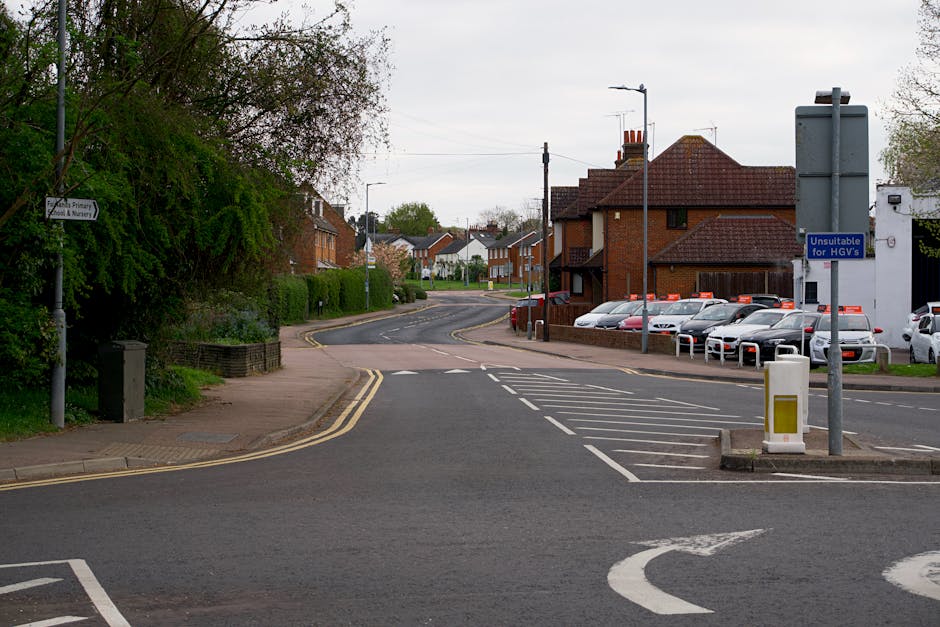
Council bulky-item pickup rules for Coulsdon homes: a practical local guide
If you live in Coulsdon and you have a sofa, mattress, wardrobe, fridge, or other awkward item that is too big for the wheelie bin, the council bulky-item pickup rules can feel confusing fast. One minute you think, "It's just one old bed base," and the next you are trying to figure out booking steps, acceptable items, access issues, and whether you need to separate parts before collection. This guide explains Council bulky-item pickup rules for Coulsdon homes in plain English, so you can plan the removal properly, avoid missed collections, and decide whether a council pickup is actually the best option for your situation.
We will cover how the system usually works, what tends to go wrong, when a bulky waste collection makes sense, and when a different route may be easier. If you are also clearing a room before a move, you may find our guide on decluttering before moving useful, because bulky-item removal often starts with deciding what really needs to stay. A surprisingly large part of the process is simply getting organised. Not glamorous, but effective.
Why Council bulky-item pickup rules for Coulsdon homes Matters
Bulky waste is one of those household jobs that seems simple until you are standing in the hallway with half a dismantled wardrobe and nowhere obvious to put it. The rules matter because bulky-item collections are not the same as normal bin collection. Councils usually set conditions about what they will take, how items should be presented, where they should be placed, and what counts as a safe collection point.
For Coulsdon homes, that matters even more because properties vary so much. You have narrow terraces, flats with stairs, detached homes with front drives, and streets where parking can be tight. A collection that sounds easy online may become awkward in practice if access is poor or if the item blocks a shared path. In real life, these small details make the difference between a smooth pickup and a missed appointment.
There is also a cost angle. A bulky-item collection can be a cost-effective and tidy solution for a single item or a small number of pieces. But if you have a lot to clear, or if the items are heavy, wet, broken, or awkwardly located, another route may save time and stress. That is where planning matters. A rushed decision often creates more work later, and nobody wants to drag a sofa through the rain at eight in the morning because the first plan was a bit optimistic.
Finally, the rules matter for compliance. Leaving items on the pavement without authorisation can create nuisance, attract fines, or cause access problems for neighbours. If you are juggling a move at the same time, the safer approach is to get clear on responsibilities early. The article on moving van permits in Coulsdon is also worth a look if your bulky clearance and moving day overlap.
How Council bulky-item pickup rules for Coulsdon homes Works
While procedures can change over time, bulky-item collections generally follow the same broad pattern. You identify the items, check whether they are accepted, book a collection, prepare the items for pickup, and place them where the crew can safely access them. The exact process depends on the council service being used, but the practical logic is usually very similar.
1. Check whether the item is classed as bulky waste
Bulky waste usually means large household items that are too big for regular bin collection. Think beds, sofas, chairs, tables, wardrobes, mattresses, large appliances, and some white goods. Small loose items often are not treated as bulky waste if they can go through standard recycling or general rubbish routes. In other words, size and handling matter.
2. Confirm what the service will and will not take
This is the step people skip, and it causes trouble. Some councils exclude certain materials, hazardous items, commercial waste, or items containing dangerous components. Items may also need to be drained, emptied, or partially dismantled. For example, a fridge might need to be defrosted and cleaned before collection. A wardrobe may need doors removed if access is tight. Small steps, big difference.
3. Book the collection in advance
Bulky-item pickups are usually booked ahead rather than on the day. Availability can vary, especially after weekends or in busy moving seasons. If you need a quick turnaround, it is sensible to compare the council booking window with a private removal option. For some people, same-day removal availability in Coulsdon ends up being the faster fix.
4. Follow the presentation rules
Most services expect items to be ready at the agreed collection point by a set time. That may mean the front boundary, driveway edge, or ground-floor access point. The rule is usually simple: the crew should be able to lift and remove the items without entering your home unless the service clearly says otherwise. If there are shared hallways or communal entrances, you may need to keep items clear of escape routes.
5. Make access as easy as possible
Access is one of the biggest hidden issues. A collection can be delayed if a van cannot park close enough, a gate is locked, a path is cluttered, or the item is still assembled in a way that makes it awkward to move. In Coulsdon, where parking can be tight on some roads, this is not a tiny detail. It is often the whole game.
If you want a fuller picture of practical loading and access challenges around the area, the piece on loading spots in Old Coulsdon is a helpful local reference.
Key Benefits and Practical Advantages
A council bulky pickup can be the right choice for many Coulsdon households. The biggest advantage is convenience. If you only have one or two items and they are already at the property boundary, the service can remove them without you hiring a vehicle, borrowing tools, or making several trips to a recycling site.
Another clear benefit is simplicity. You book, you prepare, and the items go. No trailer. No loading ramp. No trying to persuade a friend to help lift a heavy mattress while pretending it is "not that bad". Let's face it, it usually is that bad.
There is also a sustainability angle. Proper collection routes should keep items moving into appropriate disposal or recycling channels rather than ending up abandoned. That is not just about neat streets; it helps prevent fly-tipping and makes household clearance more manageable for everyone nearby.
Practical takeaway: council bulky pickup is best when you have a limited number of accepted items, reasonable access, and enough time to book ahead. If any of those three are missing, alternatives become more attractive very quickly.
Who This Is For and When It Makes Sense
This service tends to suit a few common Coulsdon situations.
- People downsizing who need to remove a few large pieces before handover.
- Families replacing furniture and clearing old items from a front room, bedroom, or loft.
- Landlords and tenants dealing with left-behind furniture after a changeover.
- Older households where the item is too heavy to move safely without help.
- Busy residents who do not want to arrange a van, loading crew, and disposal separately.
It makes less sense if you have an entire garage full of mixed rubbish, renovation debris, or items that need sorting, because a bulky service is not always the same as a full clearance. In that case, a more flexible removal solution may be the sensible route. Many people in that position also look at a broader bulky waste removal options and fees guide before making a booking.
There is a timing issue too. If you are working around a tenancy end date, an estate agent visit, or a council inspection, you may need clearance faster than the standard pickup window allows. That is where same-day or specialist support can save a lot of stress. The phrase "we thought there would be enough time" has caused more last-minute panic than almost anything else in moving life.
Step-by-Step Guidance
Here is a straightforward way to handle a bulky-item pickup without turning it into a full weekend project.
- List every item clearly. Write down what you want removed and note anything that may be awkward, such as broken legs, loose glass, or water damage.
- Separate reusable parts if needed. Some items are easier to collect when detached. For example, a bed frame often moves better once the slats or side rails are removed.
- Measure access points. Check doorways, stair turns, hall widths, and gate openings. A quick measure now avoids a headache later.
- Check the collection rules carefully. Look for restrictions on hazardous materials, electrical items, or mixed waste. Never assume.
- Book the appointment with enough lead time. If you are clearing for a move, book earlier than you think you need to. Time always goes weird when you are moving house.
- Prepare the collection point. Keep the pathway clear and make sure the item is easy to see and reach.
- Protect neighbours and shared spaces. Do not block communal routes, and avoid leaving items out too early if that would create clutter or complaints.
- Take photos if the item is valuable or disputed. This can be useful if you are clearing a rental property and want a record of what was removed.
For larger furniture, it can also help to understand how different pieces are best handled. If a sofa is involved, the article on sofa storage and handling gives a useful sense of why bulky furniture needs more care than it first appears to.
Expert Tips for Better Results
In practice, the best bulky-item jobs are the boring ones. The items are identified properly, access is checked, and no one is scrambling on the day. That sounds obvious, but it is the part that gets missed most often.
- Disassemble before collection if it helps safety. Removing legs, mattress bases, or doors can make a huge difference.
- Group items by type. Keep furniture separate from electrical items, and keep small loose parts bagged or taped to the main item if appropriate.
- Use gloves and sensible footwear. You do not need to dress like a mountain climber, but flip-flops and a heavy wardrobe are not a winning combination.
- Watch for damp or mould. Wet items are unpleasant to handle and can damage internal surfaces during lifting.
- Plan for parking early. A pickup can be ruined by a blocked kerb or nowhere to stop close by. In Coulsdon, this is often the difference between a quick job and a drawn-out one.
A quick human note: I once saw a perfectly sensible clearance delayed because someone had parked their car exactly where the pickup crew needed to stand. Nobody was thrilled. Nobody was dramatic either. It just became one of those awkward little London moments where everyone stared at the same patch of pavement.
If your item is especially heavy or awkward, it may be safer to pair council guidance with a professional team that already understands lifting and handling. Articles such as solo heavy lifting techniques and why moving a piano yourself can go wrong are good reminders that "just lifting it" is not always the best plan.

Common Mistakes to Avoid
Most problems with bulky-item pickups come from a few repeat errors.
- Leaving the booking too late. Especially before a move-out date or after a furniture delivery.
- Assuming everything counts as bulky waste. Some items need separate handling.
- Not checking access. Stairs, tight corners, and locked gates create avoidable delays.
- Mixing acceptable and unacceptable items together. This can cause a collection refusal or partial pickup.
- Putting items out too early. That can create obstruction or complaints.
- Forgetting to clean or empty the item first. A sofa with loose debris, or a freezer that is still full, can be a problem.
One of the more common mistakes is underestimating how much a room needs clearing before furniture can even be lifted. A small room can feel twice its actual size once the clutter is gone. That is why it helps to review pre-move cleaning guidance alongside your clearance plan. Clean, clear, and simple. That trio saves time.
Tools, Resources and Recommendations
You do not need a specialist toolkit for every bulky pickup, but a few basic items make the job safer and cleaner.
| Item | Why it helps | Best use |
|---|---|---|
| Heavy-duty gloves | Improves grip and protects hands | Lifting wood, metal, or rough edges |
| Furniture sliders | Helps move items without scratching floors | Sofas, cabinets, and heavy tables |
| Strong tape or cable ties | Keeps loose parts together | Bed slats, cords, detachable components |
| Measuring tape | Checks access before moving day | Doorways, stair turns, gates |
| Reusable covers or sheets | Keeps dust down and protects shared areas | Hallways and communal entrances |
Recommendations are a bit broader than tools. If you are clearing space ahead of a move, it can help to read packing tips for smoother moves and carefree house moving advice at the same time. The reason is simple: bulky-item pickup is often part of a bigger home-clearance chain, not a standalone task.
If you suspect you may need storage after the clearance, that can be worth arranging early rather than after the room is already half-empty. A little planning here saves a lot of back-and-forth later. Honestly, it really does.
Law, Compliance, Standards and Best Practice
For householders, the main compliance concern is usually responsible disposal. You should not dump items on public land, leave them where they obstruct walkways, or assume that "out of sight" equals "the council will take it". The safer approach is always to use an authorised collection route that matches the item type and the property setup.
There is also a duty of care angle. In plain terms, that means you should make reasonable efforts to hand waste to the right service and avoid creating hazards for others. If an item is sharp, unstable, contaminated, or too heavy to manage safely, it needs appropriate handling. That is not just good manners; it is sensible household practice.
For shared buildings and flats, best practice is especially important. Keep fire exits clear, do not block corridors, and avoid leaving items in common areas for longer than necessary. If you live in a flat and you are dealing with a bulky object, the practical side matters more than the paperwork sometimes. The guide on flat removals in Coulsdon can help you think about access and stair logistics in a broader way.
It is also sensible to keep receipts, booking confirmations, or photos of items removed if you are a tenant or managing an end-of-lease clean. That is basic best practice, not because anyone expects a drama, but because it gives you a tidy record if questions come up later.
Options, Methods, or Comparison Table
There is no single "best" way to remove a bulky item. The right choice depends on timing, quantity, access, and how much lifting is involved. Here is a clear comparison to help you decide.
| Option | Best for | Pros | Trade-offs |
|---|---|---|---|
| Council bulky pickup | One or a few accepted household items | Convenient, straightforward, often simple to arrange | May need advance booking; limited to certain items |
| Private man-and-van removal | Mixed bulky items, awkward access, quicker turnaround | Flexible, often faster, can handle loading support | May cost more depending on scope |
| Self-haul to a disposal point | People with a suitable vehicle and time | Full control over timing | Loading effort, vehicle access, multiple trips |
| Full clearance service | Large volumes or whole-room clearances | Handles sorting, loading, and transport end-to-end | Usually unnecessary for just one item |
For most Coulsdon homes, the council route is best when you have one-off bulky waste and good access. The private route becomes stronger when the item is very heavy, your road is tight, or you need speed. If you are trying to avoid awkward costs, it is also sensible to read how to avoid hidden charges with man-and-van quotes before deciding.
Case Study or Real-World Example
Take a typical Coulsdon household clearing a spare bedroom before a family visit. There is an old mattress, a broken chest of drawers, and a desk that has survived two moves and looks emotionally finished. On paper, this sounds like a simple bulky pickup.
Then the details show up. The mattress is fine, but the drawers have loose runners and the desk is too wide for the hallway unless the legs come off. The front path is narrow, and the street parking is busy by mid-morning. That is where a calm, step-by-step approach saves the day.
The homeowner checks what can be collected, disassembles the desk, clears the route, and places everything at the agreed spot the evening before. The pickup goes through without fuss. No dragging, no sudden realisation that the door opens the wrong way, no emergency call to a neighbour with a van. Just a clean removal.
Now compare that with a different scenario: a family needing to clear several heavy items at the same time as they prepare for moving day. In that case, council pickup may still help with one or two pieces, but the overall job could be faster and less stressful with a coordinated removal plan. That is where local moving support and packing help become relevant. The article on moving a bed and mattress safely is particularly useful if your bulky item is bedroom furniture.
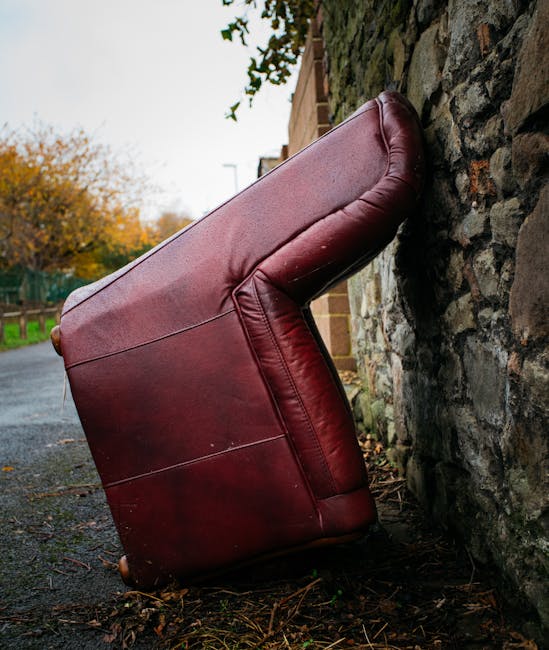
Practical Checklist
Use this checklist before your collection day.
- Confirm the item is accepted as bulky waste.
- Check whether it must be emptied, defrosted, or dismantled.
- Measure doorways, stairs, and gate access.
- Clear a route to the collection point.
- Arrange parking or access if needed.
- Keep items dry and visible.
- Separate any loose parts, screws, or shelves.
- Protect communal hallways, walls, and floors.
- Take a photo of the item before collection if needed for records.
- Have a backup plan if the pickup is delayed.
If your bulky item is part of a wider house move, it can be helpful to think one step ahead and make room for the next stage. Sometimes that means storage. Sometimes it means a fuller removal service. The main thing is not to leave the decision until the hallway is full and the clock is ticking.
Conclusion
Council bulky-item pickup rules for Coulsdon homes are not complicated once you break them into the practical pieces: check the item, confirm the rules, prepare access, and book in advance. The key is to treat bulky waste as a small logistics job, not just a bit of extra rubbish. That shift in mindset avoids missed collections, prevents clutter, and makes the whole process feel manageable.
For some households, the council route is the neatest option. For others, especially where access is tight or several heavy items are involved, a private removal service is the calmer choice. Either way, a little planning goes a long way. You will notice the difference immediately when the lifting starts and everything is where it should be.
Get a free quote today and see how much you can save.
And if you are still weighing up the smartest route for a wider clearance or move, take a breath and map the job properly. It is a small effort now, but it can save a lot of grief later. That is usually how the best house clearances work.


