Coulsdon Village Removals for Narrow Lanes and Parking Limits: A Practical Guide to Moving Well in a Tight Space
Moving home or office in Coulsdon Village can feel straightforward on paper, then suddenly get tricky the moment a removal van meets a tight lane, a corner that is a bit more awkward than expected, or a parking bay that has already been claimed. That is exactly why Coulsdon Village removals for narrow lanes and parking limits need a more thoughtful plan than a standard move. The streets are not always built for large vehicles, and the real challenge is often not the carrying of boxes, but the getting in, loading safely, and leaving without causing delays or stress.
This guide explains what makes these moves different, how professional planning helps, what to check before moving day, and how to avoid the classic headaches that catch people out. If you are trying to make a difficult local move feel calm and controlled, you are in the right place.
Why Coulsdon Village removals for narrow lanes and parking limits Matters
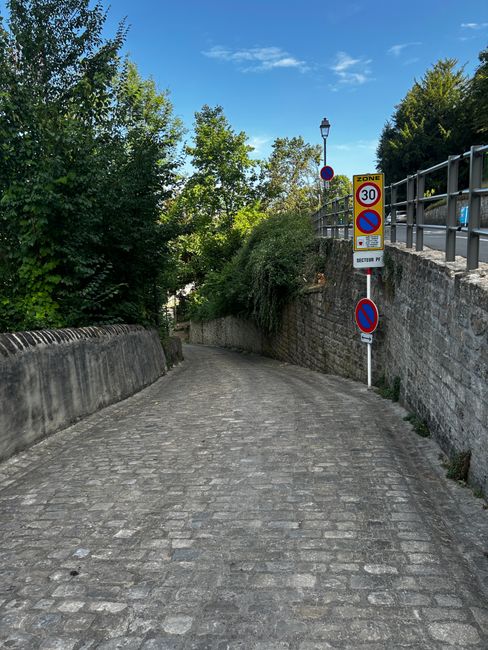
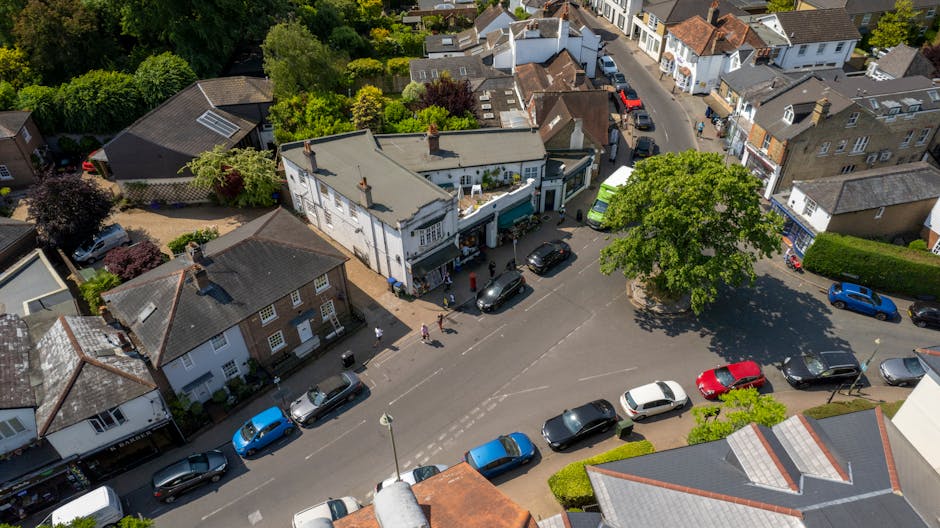
Coulsdon Village has the kind of local character that people love: smaller residential roads, older layouts in places, and the sort of parking pressure that can turn a simple move into a logistical puzzle. For removals, that matters a lot. A vehicle that works perfectly on a wide suburban road may be a poor fit for a narrow lane where passing space is limited and parking is tight.
When parking is limited, every minute counts. If a van cannot stop near the property, the team has to carry items farther, potentially across uneven paths, along slopes, or around parked cars. That slows everything down and increases the chance of knocks, strained backs, and frustrated neighbours. Truth be told, the trouble often starts before the first box is lifted.
This is why local knowledge is so useful. A removal plan for Coulsdon Village should think about vehicle size, loading point, walking distance, access windows, and whether a van can safely pause without blocking traffic. In practical terms, the aim is not just to move things. It is to move them efficiently, politely, and with as little disruption as possible.
For many households, this is also where a focused home moves service or a flexible man and van option can make more sense than sending in a larger truck and hoping for the best.
How Coulsdon Village removals for narrow lanes and parking limits Works
A good move in a tight-access area starts with access planning. Before moving day, the route to the property is checked with the lane width, any bends, slope, low trees, parked vehicles, and nearby restrictions in mind. That sounds obvious, but you would be surprised how often it gets rushed. And then everyone ends up carrying a wardrobe down the road at 8 a.m. in drizzle. Not ideal.
Once access is understood, the vehicle choice follows. In many cases, a smaller removal van or a man with van setup is more suitable than a large lorry. The point is to match the vehicle to the road, not the other way round. Sometimes a bigger vehicle can still work if parking is available nearby and the route is straightforward, but that should be a deliberate choice, not a guess.
Loading is then organised to reduce unnecessary carrying. Heavy items are placed for safe handling, fragile items are secured properly, and the team works in a sequence that keeps the van balanced. If parking is especially constrained, a short shuttle approach may be used: the van parks where it can, then items are moved in stages. It is not glamorous, but it works.
For business moves, a similar approach applies, although the timing and building access can be more demanding. That is where office removals or broader commercial moves planning becomes useful, especially if equipment, filing, and furniture all need to be moved around narrow streets without disrupting the working day too much.
Key Benefits and Practical Advantages
The main advantage of planning around narrow lanes and parking limits is simple: the move feels less chaotic. But there are several practical benefits underneath that.
- Less wasted time: the right vehicle and access plan reduce delays caused by blocked roads or long carrying distances.
- Lower risk of damage: careful manoeuvring and fewer awkward lifts mean fewer scuffs on furniture and fewer scrapes on walls or door frames.
- Better neighbour relations: nobody enjoys a van left in the wrong place, engine running, while someone tries to squeeze past.
- Safer lifting: shorter carry distances and better sequencing help reduce strain.
- More predictable timing: when access is planned properly, the whole day is easier to manage.
There is also a quieter benefit that people often overlook. Good planning reduces stress. You stop worrying about whether the van will fit, whether the move will spill into the afternoon, or whether someone will come out to ask why the road is blocked. You can actually focus on the rest of the move, which is refreshing, to be fair.
If you are comparing providers, looking at a proper removal company with a clear process can be more reassuring than choosing a generic option and hoping the access problem sorts itself out on the day.
Who This Is For and When It Makes Sense
This kind of moving support is useful for anyone based on, or moving into, a street where space is tight and parking is not easy to secure. That includes people living in terraces, older houses, flats near busier roads, or properties reached by narrower village lanes. It also applies if the property itself has limited frontage, shared driveways, awkward turning space, or a steep approach.
It makes particular sense if you have:
- a sofa, bed, wardrobe, or other bulky item that needs careful manoeuvring
- a move that has to happen in a short time window
- parking that is likely to be contested by residents or visitors
- little room to unload directly outside the property
- fragile or high-value items that should not be moved in a rushed, improvised way
Students, first-time buyers, downsizers, families with busy schedules, and local businesses all face different pressures here. The common thread is access. If access is awkward, the move should be planned like a small project rather than a casual van booking. That one decision can save a lot of grief later.
For smaller loads or single-item jobs, a service like furniture pick up can be a very practical fit, especially where you do not need a full lorry but still need someone who understands local access.
Step-by-Step Guidance
If you want the move to run smoothly, this is the basic sequence we would recommend. Simple, yes. But simple done well is usually what wins.
- Check the access route. Walk the lane or street yourself. Look for pinch points, overhanging branches, low walls, and anywhere two vehicles would struggle to pass.
- Measure the important bits. Measure doorways, stairs, hallways, and anything bulky that needs to get through. A few centimetres can matter more than people expect.
- Decide where the vehicle can stop. Identify a safe unloading point if the property frontage is too narrow or parking is restricted.
- Plan the order of loading. Put the heaviest and most awkward pieces in first if the access point is tight, so you do not end up reshuffling half the van later.
- Keep essentials separate. Box up documents, chargers, keys, tea supplies, and a change of clothes where needed. Small things, big difference.
- Prepare for walking distance. If the van must park a little way off, make sure trolleys, straps, and protective covers are ready.
- Allow breathing room in the schedule. Tight streets rarely move at a perfect, clockwork pace.
If the move involves packing help as well, a service such as packing and unpacking services can reduce the pressure quite a bit. Especially when the morning is already full of key handover calls and that last box you swear was packed yesterday.
Expert Tips for Better Results
There are a few things experienced movers tend to do that make a real difference in narrow-lane work. Nothing flashy. Just careful habits that pay off.
First, avoid overestimating how much space you have. A lane may look fine on foot, but once a parked car, a waste bin, or a delivery van appears, the margin disappears fast. Allow more room than you think you need.
Second, treat loading as a sequence, not a rush. If the van is parked away from the door, every item should be carried with intention. It is better to do two controlled trips than one clumsy one. No prizes for speed if a shelf gets cracked on the pavement.
Third, protect the property edges. Door frames, banisters, and corners are where scrapes happen. Use blankets, corner protection, and good carrying technique. In tighter spaces, a small mistake can leave a noticeable mark.
Fourth, think about neighbours. Try to avoid blocking gates, driveways, or bins. A quick polite word at the start can save a lot of awkwardness later. It is a tiny thing, really, but it matters.
Fifth, keep the weather in mind. A damp morning changes everything. Surfaces become slippier, cardboard softens faster, and grip matters more. You notice it most when the first box feels slightly heavier than it should. British weather doing its thing, as ever.
If you are unsure about access, a well-organised movers team or a practical man and van removals setup is often easier to adapt than a rigid, one-size-fits-all approach.
Common Mistakes to Avoid
A lot of moving-day problems are predictable. That is the frustrating part. The good news is they are also avoidable.
- Booking a vehicle that is too large: if access is tight, bigger is not always better.
- Assuming parking will be available: in busy village streets, it might not be.
- Not checking turning space: a van may fit in, but can it get out without a multi-point manoeuvre? Important question.
- Leaving packing until the last minute: poor packing slows everything down, especially when items need to be carried further.
- Ignoring walking distance: even an extra 20 metres becomes tiring when repeated many times.
- Forgetting about access for the return journey: unloading is only half the job.
One small but common oversight is not telling the removal team about the awkward bit of the street because it feels "obvious". It usually is not obvious. What is obvious to you, after living there for years, may be completely invisible to someone arriving for the first time at 7:30 in the morning. Say it plainly. The slope. The bend. The parked cars. The narrow gate. All of it.
If the job is a larger house move, it can help to review a more comprehensive service like house removals so the plan matches the scale of the move rather than forcing everything into a rushed van run.
Tools, Resources and Recommendations
You do not need a mountain of equipment for a successful local move, but a few practical tools make the difference between smooth and awkward.
- Measuring tape: for doorways, furniture, and access points.
- Furniture blankets and covers: useful for protecting corners and polished surfaces.
- Trolleys or sack trucks: helpful when items need to travel farther from the van.
- Strong packing materials: boxes that actually hold their shape, plus tape that stays put.
- Labels: keep rooms and fragile items clear, so unloading is more controlled.
- Spare bags or crates: for loose items that would otherwise disappear in the shuffle.
For people who want the reassurance of a wider service range, it can be useful to look at the broader removal services option and decide whether your move needs basic transport, packing support, or something more hands-on.
It is also wise to check practical details before booking: payment process, insurance expectations, and the terms of service. Those are not exciting topics, granted, but they matter when something needs clarifying on the day. The relevant pages on payment and security, insurance and safety, and terms and conditions are worth reviewing if you want the admin side to be clear from the outset.
Law, Compliance, Standards, or Best Practice
For moves in narrow lanes with parking limits, the key compliance issue is usually not a single dramatic rule. It is the combination of local parking discipline, road safety, property access, and respectful loading practices. In the UK, drivers and removal teams should avoid unsafe obstruction, take care not to block essential access, and handle goods in a way that protects both people and property.
If a vehicle must stop in a constrained area, best practice is to keep the stop as short as possible, communicate clearly, and avoid creating unnecessary hazards for pedestrians, cyclists, or neighbours. In some streets, parking controls or time restrictions may also affect the plan, so the route and timing should be checked carefully before the day.
From a professional standards point of view, it is sensible to expect reasonable care with lifting, carrying, vehicle positioning, and load security. The same applies to clarity around what is included, what needs extra preparation, and what the customer is responsible for having ready. That is where a decent about us page can help build confidence, because it gives you a sense of the company's approach rather than just a list of services.
Health and safety also matters in tight spaces. Manual handling becomes more demanding when the distance to the van is longer or when the path is uneven, and a careful team will adapt the lift, route, and carrying method accordingly. Nothing overcomplicated. Just sensible work done properly.
Options, Methods, or Comparison Table
If you are deciding how to handle a move in Coulsdon Village, the right choice usually depends on access, volume, and timing. Here is a simple comparison that may help.
| Approach | Best For | Strengths | Limitations |
|---|---|---|---|
| Small van or man-and-van setup | Light to medium moves, narrow lanes, limited parking | Easier to position, more flexible, often simpler for short-notice local jobs | May need more trips for larger loads |
| Standard removal van | Typical household moves with moderate access | Good balance of space and manoeuvrability | Can be awkward if the street is especially tight |
| Larger removal truck | Big moves where parking and access are available | Fewer runs, more capacity | Harder to place in narrow village roads |
| Shuttle or staged loading | Properties with limited frontage or no direct parking | Works well in constrained areas, reduces access pressure | Slower, more labour-intensive |
In many Coulsdon Village jobs, the flexible option is the best one. Not because it is the fanciest, but because it fits the street. A good man with a van arrangement often beats a bigger vehicle that arrives with confidence and leaves with a headache.
Case Study or Real-World Example
Imagine a family moving from a cottage-style property on a narrow lane near the village centre. The road has limited parking, neighbours keep cars outside their homes, and the front path is just wide enough for one person at a time with a box. The family owns a wardrobe, a dining table, a cot, several fragile boxes, and more bags than they expected. Classic move-day creep.
Instead of sending in one large truck, the team arrives in a smaller van that can stop legally and safely without blocking access. They walk the route first, identify where the load can be passed from the house to the van, and protect the door frame before lifting starts. The heavier items go in first, fragile boxes are stacked separately, and the team keeps a steady pace rather than rushing. That may sound ordinary, but ordinary done well is what makes the day feel easy.
The family also packed a separate essentials box, which meant they did not have to hunt for phone chargers, kettle mugs, or the dog lead while standing among half-open boxes. By the end of the afternoon, the move was complete without drama, and the narrow lane had not become an obstacle course for everyone else on the street.
That is the real goal here: not perfection, just a move that stays under control even when the access is awkward.
Practical Checklist
Use this checklist before moving day. It is simple, but it catches the problems people most often miss.
- Confirm the property access route and any narrow points.
- Measure large furniture and key doorways.
- Decide whether a small van, removal van, or staged approach is best.
- Check where parking is realistically available.
- Tell the moving team about slopes, turns, gates, and low walls.
- Pack fragile items securely and label them clearly.
- Keep essentials separate for quick access.
- Protect flooring, corners, and bannisters if needed.
- Allow extra time for carrying items from the vehicle.
- Review pricing, insurance, and terms before the day.
If you are still comparing options, the pages for removal companies and removals near me can help you think through what sort of support you actually need, rather than just picking the first listing that looks convenient.
Get a free quote today and see how much you can save.
Conclusion
Coulsdon Village removals for narrow lanes and parking limits are all about preparation, patience, and choosing the right vehicle for the street. Once you understand the access challenge, the rest of the move becomes much easier to control. You do not need dramatic solutions. You need a sensible plan, clear communication, and a team that knows how to work neatly in tighter conditions.
Whether you are moving a full house, a small flat, an office, or a single bulky item, the best result usually comes from treating access as part of the job, not an afterthought. That one shift in mindset makes a real difference. And on moving day, that matters more than people think.
When the lane is narrow and the parking is limited, calm planning wins. Every time, more or less.
Frequently Asked Questions
What makes Coulsdon Village removals different from a standard move?
The main difference is access. Narrow lanes, limited parking, and awkward turning space mean the vehicle choice and loading plan matter much more than they would on a wider road.
Should I choose a small van for a narrow village street?
Often, yes. A smaller van can be easier to position safely and may reduce the risk of blocking traffic or struggling to park. That said, the best choice depends on the amount you are moving and the exact layout of the street.
What if there is no parking right outside my property?
That is common in tight-access moves. A team may use the nearest safe stopping point and carry items the remaining distance. The important thing is to plan for that extra distance in advance.
Can a large removal truck still work in Coulsdon Village?
Sometimes, but only if access and parking are genuinely suitable. In many cases, a larger truck creates more problems than it solves, especially on narrow lanes or roads with limited manoeuvring space.
How far in advance should I plan a move in a parking-limited area?
The earlier the better. Even a short local move benefits from early access checks, especially if you need to coordinate parking, timing, or a specific vehicle type.
Do I need to tell the removals team about narrow lanes?
Yes, absolutely. If there is a tight corner, slope, low wall, gate, or parking restriction, tell them before the quote and again before the move. It is one of those details that saves time later.
What items are hardest to move in narrow spaces?
Large wardrobes, sofas, beds, appliances, and awkwardly shaped furniture tend to cause the most trouble. They need careful handling, and sometimes a different carrying method or a better route through the property.
Is a man and van service enough for this type of move?
For smaller or medium-sized moves, it often is. A flexible van-based service can be a good match where access is difficult and parking is limited. For larger households, you may need a fuller removals plan.
How can I make loading and unloading faster?
Pack early, label boxes clearly, keep essentials separate, and make sure the route from the van to the property is as clear as possible. A simple, tidy layout can save a surprising amount of time.
What should I ask before booking a removals company?
Ask about vehicle size, access planning, insurance, timing, parking assumptions, and what happens if the van cannot park directly outside. Clear answers up front usually mean a smoother day later.
Is it worth paying for packing help in a tight-access move?
For many people, yes. If the move already has access challenges, packing support can reduce stress and make the lifting and carrying side far more manageable.
What is the biggest mistake people make with narrow-lane removals?
Assuming the move will work itself out on the day. It rarely does. The safest and easiest moves are the ones where access, parking, and vehicle choice were thought through properly before anyone picked up a box.
Where should I start if I want help with my move?
Start by checking your access, listing the items you need moved, and reviewing the type of service you actually need. From there, a straightforward quote conversation will usually tell you what fits best.