Coulsdon Town moves: parking and access for tight streets
Moving in Coulsdon Town can feel straightforward on paper, and then the van arrives and reality knocks. Narrow roads, parked cars on both sides, awkward turning points, and the eternal question of where to stop without causing a problem. If you are planning Coulsdon Town moves: parking and access for tight streets, the difference between a smooth move and a stressful one is usually planning, not muscle. A little foresight goes a long way here. Truth be told, it can save you time, money, and a fair bit of grumbling on the pavement.
This guide breaks down how access planning works, what to look out for in tight streets, and how to make the day calmer for everyone involved. It also links the practical side of parking and route planning with the rest of your move, from packing and decluttering to handling awkward furniture and specialist items. If you are still shaping the move itself, our services overview and removals in Coulsdon pages are useful starting points.
One small but important note: access problems are rarely just about the road outside your front door. They usually involve a chain of tiny decisions. Where can the van wait? How far is the carry? Is there room to reverse safely? Can a second parking plan be used if the first one is blocked? That is where good moving advice becomes real-world helpful, not just tidy theory.
Table of Contents
- Why Coulsdon Town moves: parking and access for tight streets Matters
- How Coulsdon Town moves: parking and access for tight streets Works
- Key Benefits and Practical Advantages
- Who This Is For and When It Makes Sense
- Step-by-Step Guidance
- Expert Tips for Better Results
- Common Mistakes to Avoid
- Tools, Resources and Recommendations
- Law, Compliance, Standards, or Best Practice
- Options, Methods, or Comparison Table
- Case Study or Real-World Example
- Practical Checklist
- Conclusion
- Frequently Asked Questions
Why Coulsdon Town moves: parking and access for tight streets Matters
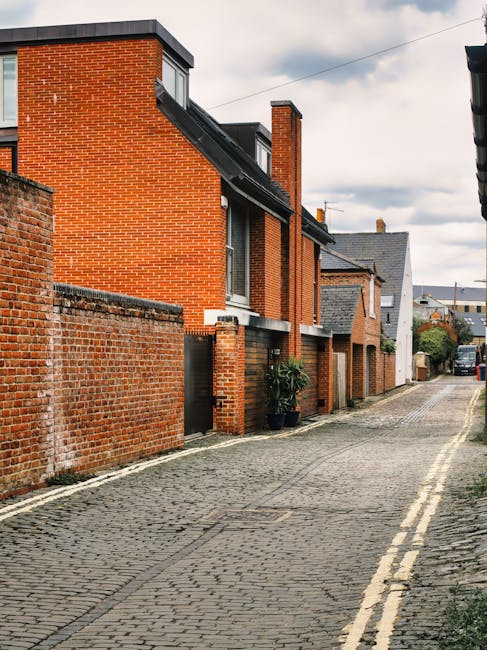
In a tight street, the whole move can hinge on access. A van that cannot stop legally or safely means extra carrying, more time, and more risk of damage. That is true whether you are moving a studio flat, a family home, or a single heavy item that looks harmless until you try to angle it through a doorway. The parking plan matters because it sets the rhythm for the day.
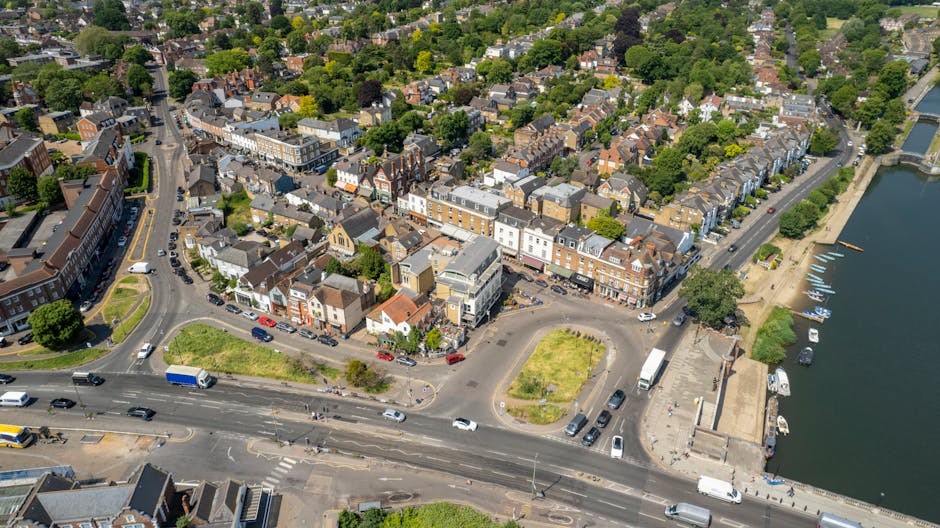
Coulsdon Town has the kind of local layout that rewards planning: narrower residential roads, mixed parking patterns, and occasional pinch points where a delivery van and a family car do not comfortably coexist. That does not mean moving is difficult, just that it needs a sensible approach. If you are arranging a flat move, our flat removals in Coulsdon service is built for exactly that kind of practical challenge.
The real issue is not only finding space for the van. It is also about preserving a clear path from vehicle to property. Every extra metre of carry has a knock-on effect. More foot traffic. More chances of scuffs on walls or furniture corners catching a gatepost. More fatigue, too. By the time you reach the final box, everyone is a bit less graceful. That's just how it goes.
Expert summary: in tight streets, parking and access planning is not a side task; it is part of the move itself. The better the access plan, the less likely you are to face delays, manual handling strain, or avoidable damage.
It is also worth saying that access planning helps the movers as much as the household. A well-placed van, a clear route, and sensible loading order all reduce pressure. If you want to understand how the wider service is structured, take a look at our man with a van in Coulsdon and man and van Coulsdon pages.
How Coulsdon Town moves: parking and access for tight streets Works
Good access planning starts before moving day. A mover will usually look at a few simple but important details: the width of the road, where vehicles already park, whether the property sits on a bend, how close the nearest legal stopping point is, and whether the route includes steps, slopes, or low-hanging trees. None of this is glamorous. It is, however, the difference between a neat handover and a day of improvisation.
For a typical tight-street move, the process often works like this:
- Map the access route from van to front door, side entrance, or lift.
- Check parking options for loading, waiting, and any permit considerations.
- Measure problem items such as sofas, wardrobes, beds, and appliances.
- Decide the load order so the first items off the van are the most urgent and easiest to place.
- Create a backup plan if another vehicle blocks the road or the preferred bay is taken.
If you are moving a bulky item like a sofa or mattress, access planning becomes even more important. The article on moving a bed and mattress safely is a useful companion read, and the same logic applies to larger household pieces discussed in sofa storage and handling.
Sometimes the best parking spot is not directly outside the property but a little further along the road, where the van can stay legal and safer. That is usually better than forcing a stop in a narrow gap and making the whole street awkward. To be fair, no one enjoys reversing a van while someone's recycling boxes are out, the dog is barking, and the morning school run is happening. Not ideal.
For more route-sensitive local guidance, see our practical note on CR5 access tips for Chipstead Valley Road. While every road is different, the principles are very similar.
Key Benefits and Practical Advantages
When parking and access are handled properly, the benefits show up all over the move. Some are obvious. Others only become obvious after the fact, when you realise you avoided the classic moving-day scramble.
- Faster loading and unloading because the carry distance is shorter and clearer.
- Lower risk of damage to furniture, walls, doors, and the van itself.
- Less physical strain on everyone involved, especially when stairs or awkward turns are involved.
- Better time control if neighbours, parking restrictions, or timed access windows are in play.
- Fewer arguments with the street because the van is parked considerately and predictably.
- More flexibility if the move includes multiple trips or a split load.
There is also a quieter benefit: calmer decision-making. When the access plan is sorted, you do not waste mental energy asking, "Can we stop there?" every two minutes. You can focus on the actual work. That mental relief matters more than people think.
This is particularly useful for households who are downsizing or making a more considered move. If decluttering is part of the plan, our guide on starting with decluttering before you move can help you reduce load before access even becomes a headache.
Who This Is For and When It Makes Sense
This kind of planning is not just for large house removals. It helps in a surprising range of situations.
Homeowners and tenants on narrow residential roads
If your street has parked cars on both sides or limited turning space, access planning should be part of the move from day one. Even a medium-sized van can struggle where the road narrows near a bend or junction.
Flat moves with stairs or shared entrances
Blocks of flats can be trickier because you may have lift timings, communal entrances, and limited stopping points. Our flat removals Coulsdon page is a good match if that sounds familiar.
Families with bulky furniture
Beds, wardrobes, sofas, and large appliances all need more room than a box of books. If you are dealing with fragile or awkward pieces, it can be worth reading the specialist guides on piano moving risks and bed and mattress handling.
Students, sharers, and quick turnarounds
Short-notice moves often get done in the busiest streets at the busiest times. In those cases, a simple, efficient parking plan is worth its weight in tea and patience. Our student removals in Coulsdon service is designed with that pace in mind.
Businesses and office relocations
Office moves need access control, building coordination, and sensible loading. If the van cannot stop in a suitable place, the whole timetable can unravel. For workplace moves, see office removals Coulsdon.
If you are unsure which service fits best, our removal services in Coulsdon page gives a broader overview.
Step-by-Step Guidance
Here is a practical, field-tested approach that works well for tight streets. Nothing fancy. Just solid planning.
1. Walk the route before moving day
Stand outside the property and look at the street like a driver would. Where would a van sit? Can a person carry a wardrobe without twisting around a bin or gate? Is the pavement wide enough to keep things moving safely?
2. Measure the big items
Doors are one thing, furniture is another. Measure any item that could catch on a corner, including headboards, sofas, washing machines, mirrors, and wardrobes. If you are moving unusual items, a specialist read like why moving a piano yourself might lead to disaster is worth your time, even if you are not moving a piano. The same principle applies to anything heavy and unforgiving.
3. Decide what should be loaded first
Items needed immediately at the new property should sit near the back or top of the load, depending on the van setup. It sounds obvious, yet this step often gets missed. Then you end up digging through boxes labelled "miscellaneous." Which, as a category, is rarely helpful.
4. Clear the access point
Move wheelie bins, bikes, prams, plant pots, and loose obstructions before the van arrives. If you can, ask neighbours to avoid parking in the most useful slot for the moving window. A polite note the day before can work wonders.
5. Build in extra time
Tight streets rarely run to the minute. A delayed car move, a delivery van, or a visitor stopping "just for five minutes" can shift the whole schedule. Build in a cushion so the team is not forced to rush.
6. Use the right packing approach
Packing affects access because poor packing slows the hand-carry phase. Strong boxes, sensible labelling, and stable loads reduce fiddling on the pavement. Our packing tips guide and packing and boxes in Coulsdon page are practical places to start.
7. Keep the heavy lifting honest
If something feels too heavy, awkward, or unstable, it probably is. There is no medal for stubbornness. For solo lifting situations, see solo heavy lifting techniques and the more general advice on safer lifting methods.
Expert Tips for Better Results
A few small choices can make a big difference in a narrow street. These are the details that experienced movers notice straight away.
- Choose the smallest suitable vehicle. Sometimes a slightly smaller van is easier to place and quicker to unload than a larger one with more unused space.
- Think about the weather. Rain makes pavements slick, cardboard weaker, and patience thinner. Cold mornings can slow loading too.
- Keep a clean route inside the property. If the hallway is cluttered, the access problem starts before the front door.
- Use blankets and protectors. Narrow stairs and door frames are unforgiving. A little protection saves a lot of repair work.
- Plan for the worst parking outcome. If the closest space is taken, know the next legal option before the van arrives.
- Tell the movers about awkward details early. Low porches, tight turns, steep drives, long carries, fragile items - all of it matters.
One thing that often gets overlooked is the emotional side of moving. People are tired, homes are messy, and decisions get rushed. A simple written plan helps more than a lot of back-and-forth on the day. Our carefree house moving guide covers that more broadly.
If you are handling specialist items, the right expertise matters. For example, the practical considerations around piano removals in Coulsdon are very different from moving standard boxes, and access needs to reflect that.
Common Mistakes to Avoid
Most moving problems in tight streets are not dramatic. They are small, avoidable errors that pile up. Here are the most common ones.
Assuming the van can stop anywhere
That is the big one. A space that looks fine from the pavement may be awkward, illegal, or too tight for a proper unload. Always check before the day.
Leaving parking to the last minute
If you have ever watched a moving team circle a street while boxes wait inside, you already know why this is risky. Access should be confirmed, not guessed.
Forgetting about neighbours and shared access
Shared drives, blocked gates, and front steps can create tension quickly. A little courtesy goes a long way here.
Overpacking boxes
Heavy boxes slow everything down, especially when the carry is long. They also increase the chance of dropped items or back strain. If you need a reminder on packing discipline, revisit decluttering before the move.
Ignoring specialist items
A fridge, freezer, mattress, sofa, or piano should not be treated like a stack of books. Each has different handling and access needs. If storage is part of the plan, our storage in Coulsdon service can help reduce pressure on moving day.
Not checking insurance and safety arrangements
You want to know how items are handled if something unexpected happens. Our insurance and safety page explains the approach in plain English.
Tools, Resources and Recommendations
You do not need a warehouse full of kit to manage a tight-street move, but a few tools are genuinely useful. The right tools save time and prevent unnecessary lifting.
| Tool or resource | Why it helps | Best use |
|---|---|---|
| Furniture blankets | Protect corners, finishes, and tight door frames | Sofas, wardrobes, tables, white goods |
| Ratchet straps | Keep loads stable during transport | Mixed furniture and appliance loads |
| Hand truck or sack barrow | Reduces repeated carrying over short distances | Boxes, appliances, stacked items |
| Floor and wall protectors | Helps avoid scuffs in narrow hallways and stairwells | Homes with delicate paintwork or tight corners |
| Clear labels and room markers | Makes unloading quicker when access is limited | Any move with multiple rooms or floors |
For many households, the best resource is simple preparation. A sensible packing routine, a realistic moving day timetable, and a backup access plan go further than fancy equipment. If you are comparing support levels, the pages for man and van, removal van hire support, and removal companies in Coulsdon may help you decide what level of help suits the job.
There is also a sustainability angle worth keeping in mind. Fewer failed trips, less rushed packing, and better load planning can all reduce waste. If you are trying to move in a more considered way, see recycling and sustainability.
Law, Compliance, Standards, or Best Practice
Moving vehicles on public roads brings ordinary road-traffic responsibilities, and parking should always be legal and considerate. That sounds basic, but it matters. Do not assume a quick stop is harmless if it blocks access, restricts visibility, or creates a hazard. In residential areas, access choices should be made with safety first, convenience second.
Best practice usually means:
- avoiding double parking unless there is a lawful, safe reason and appropriate control;
- keeping pavements and gateways clear where possible;
- respecting residents, emergency access, and delivery routes;
- planning for manual handling risks with the right equipment and team size;
- treating fragile, bulky, or high-value items with extra care.
That last point is especially relevant for heavier household loads. If you are moving large items yourself, it is worth understanding the practical risks described in our piano-moving safety article. Even when you are not moving a piano, the handling principles are similar: plan, lift carefully, and do not improvise when the space is tight.
For our own service approach, you can also review the health and safety policy, terms and conditions, and payment and security pages if you want the finer details before booking. That kind of clarity helps. No surprises, no vague promises.
Options, Methods, or Comparison Table
When you are planning a move in a tight Coulsdon street, there are usually three practical approaches. The right one depends on the load, the road, and how much time you have.
| Approach | Best for | Pros | Trade-offs |
|---|---|---|---|
| Van parked close to property | Clear access, wide enough street, small-to-medium load | Fastest carry, least fatigue | May not be possible on busier roads |
| Short carry from a legal stop nearby | Typical residential streets with limited space | Flexible, realistic, usually manageable | Requires more labour and route control |
| Split-load or staged move | Severe access constraints, many items, or time-limited parking | Reduces pressure and avoids rushed handling | Takes longer and needs stronger coordination |
For most people, the middle option is the sweet spot. It is practical, legal, and less stressful than trying to force the "perfect" parking bay. A staged move is especially helpful where access is poor or if the property includes awkward furniture. In those cases, services such as furniture removals in Coulsdon can be a better fit than a one-size-fits-all approach.
Case Study or Real-World Example
A typical Coulsdon Town move might involve a two-bedroom flat on a residential street with cars parked tightly on either side. The household has a sofa, bed frame, mattress, a fridge-freezer, several boxes, and a few fragile items wrapped the night before. Nothing outrageous. Just a normal move, really.
The first issue is parking. The van cannot sit directly outside the building because the road narrows near a junction. So the team identifies a legal stopping point a short distance away, checks the walking route, and clears the front entrance of bins and loose items. That small decision immediately improves the pace of the day.
Next comes sequencing. The mattress and bed frame are loaded in a way that keeps them accessible, followed by the larger boxes. The fridge-freezer is handled separately so it does not become a surprise later on. The sofa is wrapped before lifting because one narrow hallway and one fresh-painted wall do not mix well. We have all seen how quickly a simple corner can become a problem.
At the new address, the same logic applies in reverse. The van is positioned as close as safely possible, the rooms are identified in advance, and the unloaded items go straight into place rather than being shuffled around twice. The overall move takes a bit longer than a broad, open-road move might, but it stays controlled. No panic, no silly damage, and no one ends the day feeling flattened.
If that sounds like the sort of support you need, our house removals in Coulsdon page may be the right next step for a larger home move.
Practical Checklist
Use this checklist the day before and again on the morning of the move. A quick walk-through now saves a lot of head-scratching later.
- Confirm where the van can legally stop.
- Check for resident permits, loading restrictions, or time limits.
- Walk the route from van to property entrance.
- Move bins, bikes, planters, and loose clutter out of the way.
- Measure wide furniture and any awkward appliances.
- Protect stair rails, doors, and corners.
- Prepare labels for each room or destination.
- Separate fragile items from heavy general loads.
- Keep keys, documents, and essential bags accessible.
- Have a backup parking idea if the first space is blocked.
- Let neighbours know if access could briefly affect them.
- Review insurance and safety arrangements before loading starts.
If you still have items to sort, pack, or store, the following pages can support the rest of the plan: pre-move cleaning guidance, appliance storage advice, and longer-term sofa storage tips.
Conclusion
In a place like Coulsdon Town, a successful move is rarely about brute force. It is about knowing where the van can go, how the street behaves, and how to keep the hand-carry route clean, safe, and realistic. Once you understand the access picture, everything else becomes easier: packing, lifting, sequencing, and settling in.
The best moves feel almost calm, even if there is a lot happening behind the scenes. That calm comes from planning parking properly, respecting tight streets, and giving yourself enough room to breathe. Not every road is generous. But a smart move can still be smooth.
If you are ready to plan your move with confidence, speak to a local team that understands the realities of tight access, awkward parking, and proper handling in Coulsdon Town.
Get a free quote today and see how much you can save.
Frequently Asked Questions
How do I plan parking for a move in a narrow Coulsdon street?
Start by walking the street before moving day and identifying the nearest legal stopping point. Check for parked cars, loading restrictions, and any signs that limit waiting or parking. If possible, have a second option in mind so you are not left guessing on the day.
What if the van cannot park right outside my property?
That is common in tight streets. The move can still work well if the carry route is clear and the parking spot is legal and safe. The key is to measure the distance and plan the load accordingly, especially for heavy or awkward furniture.
Do I need to tell the removal team about access issues in advance?
Yes, absolutely. Mention narrow roads, shared drives, steps, low walls, steep sections, or anything that might affect parking. The earlier the team knows, the better they can choose the right vehicle, timing, and equipment.
What is the best time of day for a move in a busy residential area?
Often the quieter parts of the day are easier, but the best time depends on local parking pressure, school traffic, and any building access rules. Early starts can help, though they are not always practical for every household.
Can a man and van service handle tight streets?
Usually yes, especially when the job is planned sensibly and the vehicle size is chosen carefully. A man with a van in Coulsdon is often a good fit for smaller loads or access-sensitive moves.
What should I do if neighbours park where the van needs to stop?
It helps to communicate politely in advance if the street is particularly tight. A friendly note or quick conversation can prevent a lot of stress. If the space is still unavailable, use the backup plan rather than forcing the issue.
How can I reduce the amount of carrying on moving day?
Declutter before you pack, use sturdy boxes, and keep the load well organised. Fewer items means fewer trips. Our decluttering guide is a good place to start.
Are there special considerations for moving furniture in narrow hallways?
Yes. Wrap corners, measure turning points, and remove obstacles from the route. Sofas, wardrobes, and beds are often the most awkward items, so plan those first rather than leaving them to chance.
What if I need storage before or after the move?
Storage can make access planning much easier because it reduces the pressure to move everything in one go. If you need that flexibility, see storage in Coulsdon.
How do I know whether I need a full house removal or just a man and van?
It usually comes down to volume, access, and the type of items involved. A smaller flat move, student move, or partial load may suit a lighter setup, while a larger property or bulky furniture set may need a more complete service. If in doubt, ask for advice based on your road layout and inventory.
Is it worth booking professional help for one difficult item?
Often, yes. One awkward item can cause more damage or delay than several easy boxes. That is especially true for pianos, large mirrors, and heavy appliances. The cost of a careful move is usually easier to justify than repairing a wall, a floor, or the item itself.
Where can I find more information about service quality and safety?
It is sensible to review the company's about us, health and safety policy, and complaints procedure pages so you know what to expect before booking. Clear information is a good sign.
At the end of the day, a tight street does not have to mean a tight, stressful move. With the right plan, it just becomes another part of the job - and one you can absolutely handle.